บทบาทผู้ช่วยพยาบาลในการดูแลผู้ป่วยถูกล่วงละเมิดทางเพศในหน่วยตรวจผู้ป่วยนอกนรีเวช โรงพยาบาลรามาธิบดี
The role of practical nurse in caring for sexual assault victims at the Gynecological Outpatient Unit, Ramathibodi Hospital
Keywords:
ผู้ช่วยพยาบาล, ผู้ป่วยที่ถูกล่วงละเมิดทางเพศ, Sexual Assault Victims, Clinical Forensics, Practical NurseAbstract
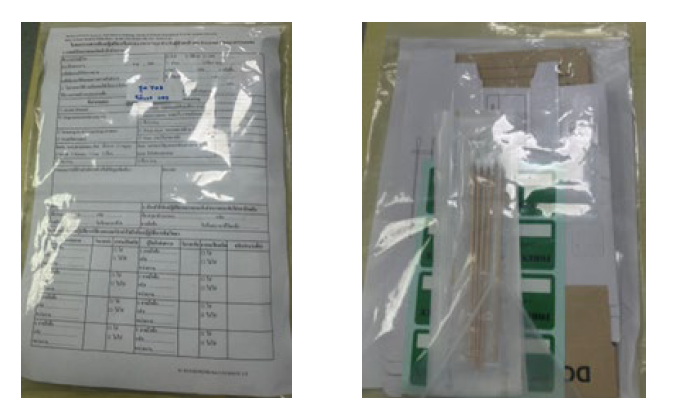
นอกนรีเวชโรงพยาบาลรามาธิบดี ให้ความสำคัญกับการพัฒนาการดูแลผู้ป่วยกลุ่มนิติเวช โดยมีผู้ช่วยพยาบาลซึ่งเป็นกำลังสำคัญในการสนับสนุนรักษามาตรฐานห่วงโซ่การคุ้มครองพยานหลักฐาน (Chain of Custody)
การศึกษานี้มีวัตถุประสงค์เพื่อพัฒนาและประเมินกระบวนการปฏิบัติงานในการสนับสนุนการเก็บวัตถุพยานทางนิติเวชให้มีความถูกต้อง รวดเร็ว และประเมินความพึงพอใจของบุคลากรต่อระบบที่พัฒนาขึ้นโดยใช้การวิจัยเชิงปฏิบัติการร่วมกับการพัฒนาคุณภาพ (CQI) ภายใต้วงจร PDCA ในช่วงปี พ.ศ. 2566 - มกราคม 2569 กลุ่มตัวอย่างประกอบด้วย ผู้ป่วย 16 ราย และบุคลากรทางการแพทย์ 8 ราย คัดเลือกแบบเฉพาะเจาะจง เครื่องมือที่ใช้ ได้แก่นวัตกรรม ″Forensic Kit″ คู่มือปฏิบัติงาน และแบบสอบถามความพึงพอใจแบบมาตรส่วนประมาณค่า 5 ระดับ วิเคราะห์ข้อมูลด้วยสถิติเชิงพรรณนา ได้แก่ ค่าเฉลี่ย และร้อยละ
ผลการศึกษาพบว่า หลังการใช้นวัตกรรม ระยะเวลาเฉลี่ยในการเตรียมอุปกรณ์ลดลงจากเดิมเฉลี่ย 15 นาที ลดเหลือ 3นาที (ลดลงร้อยละ 80) และอัตราความครบถ้วนถูกต้องของการจัดการพยานหลักฐานเท่ากับร้อยละ 100 บุคลากรทางการแพทย์มีความพึงพอใจต่อกระบวนการใหม่ในระดับดีมากทุกด้าน
สรุปการพัฒนานวัตกรรมดังกล่าวช่วยยกระดับมาตรฐานนิติเวชคลินิกเพิ่มประสิทธิภาพการปฏิบัติงานและสนับสนุนการเข้าถึงกระบวนการยุติธรรมอย่างรวดเร็วและเป็นธรรม ซึ่งสอดคล้องกับเป้าหมายการพัฒนาที่ยั่งยืน (SDG 16)
Sexual assault is a critical public health issue that causes severe physical and psychological impacts on victims. Outpatient Gynecology Unit, Ramathibodi Hospital. Therefore play an essential role in providing comprehensive care for survivors of sexual assault, with practical nurse serving as a key professional group in this multidisciplinary process.
Objective: To study and develop a nursing practice process that supports physicians in conducting physical examinations and forensic evidence collection efficiently and promptly.
Methods: This study applied the PDCA (Plan-Do-Check-Act) cycle to develop a standardized workflow, emphasizing the process included the development of a standardized “Sexual Assault Kit” and clearly defined work instruction (WI). core components included preparation of forensic equipment, proper examination positioning (such as lithotomy or frog-leg positions) to reduce of a third person (Chaperone), and management of evidence custody (Chain of Custody) in accordance with forensic principles.
Results: After system implementation, the average time required for equipment preparation and physician assistance was reduced by more than 15 minutes, decreasing to only 5-10 minutes. Staff confidence practice increased. Statistical data collected between 2023 and 2026 from 16 cases demonstrated 100% accuracy in evidence handling and documentation. The process was implemented and documentation. The process was implemented alongside psychological support for patients and compassionate communication, which helped reduce anxiety and psychological trauma during the acute phase.
Conclusion: The proactive role of systematically trained practical nurse significantly enhances the efficiency of the forensic examination process and improves the quality of life of survivors. This approach aligns with the “Real World Impact” concept of ENSD and contributes to building a safe and peaceful society, corresponding to SDG 16: social and public health sciences