ฟลักซ์ของแก๊สไนตรัสออกไซด์เชิงพื้นที่และศักยภาพการปล่อยแก๊สเรือนกระจกของพรุบางกล่่า จังหวัดสงขลา
Nitrous oxide spatial fluxes and greenhouse gas potential emissions from Bang Klam peat swamp forest, Songkhla province
Keywords:
nitrous oxide, greenhouse gas, Bang Klam peat swamp forest, natural wetland, global warmingAbstract
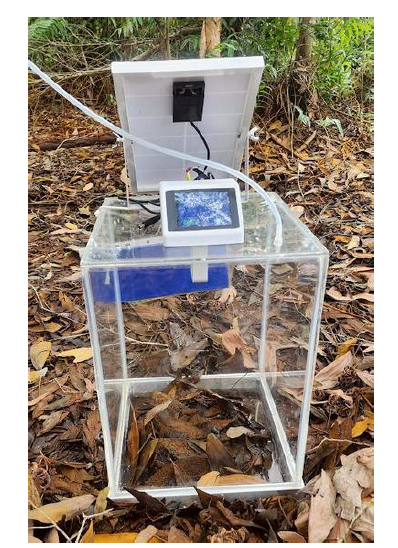
งานวิจัยนี้ประเมินฟลักซ์ของแก๊สไนตรัสออกไซด์ (N2O flux) เชิงพื้นที่และศักยภาพการปล่อยแก๊สเรือนกระจกในพื้นที่ชุ่มน้ำธรรมชาติ (พรุบางกล่ำ) จังหวัดสงขลา ด้วยการตรวจวัดแก๊สด้วยวิธีกล่องปิด (Closed chamber method) และนำตัวอย่างไปวิเคราะห์เชิงปริมาณเปรียบเทียบกับแก๊สมาตรฐานด้วยเครื่องแก๊สโครมาโตรกราฟ (Gas chromatograph – GC) ที่มีตัววัดสัญญาณชนิดไมโครอิเล็กตรอนแคปเจอร์ (Micro Electron Capture Detector) ตัวอย่างแก๊สไนตรัสออกไซด์เก็บกระจาย 3 พื้นที่ของพรุ เก็บตัวอย่างแก๊สทุก 20 นาทีในชั่วโมงเช้า (9.00 – 10.00 น.) ชั่วโมงบ่าย (13.00 – 14.00 น.) ระหว่างเดือนเมษายนถึงธันวาคม พ.ศ. 2568 อัตราการปล่อยแก๊สไนตรัสออกไซด์คำนวณจากความชันและสมการเชิงเส้นของปริมาณแก๊สที่เกิดขึ้น (Evolved gas) ต่อพื้นที่ของกล่องปิด
ผลการวิจัยพบว่า พื้นที่พรุบางกล่ำปล่อยแก๊สไนตรัสออกไซด์ในระดับที่สามารถตรวจวัดเชิงปริมาณได้ในการเก็บตัวอย่างแบบกล่องปิดทุก 20 นาทีของชั่วโมงเช้าและบ่าย ในช่วงเดือนเมษายน-ธันวาคม พรุบางกล่ำปล่อยฟลักซ์ของแก๊สไนตรัสออกไซด์ในช่วง 0.83-4.49 ไมโครกรัมต่อตารางเมตรต่อชั่วโมง ค่าฟลักซ์ของเดือนอยู่ระหว่าง 1.21±0.4 ถึง 3.82±1.48 ไมโครกรัมต่อตารางเมตรต่อชั่วโมง โดยมีค่าเฉลี่ยของทั้งปี 2.34±0.93 ไมโครกรัมต่อตารางเมตรต่อชั่วโมง ลักษณะของความแตกต่างรายเดือนของฟลักซ์เพิ่มสูงในเดือนตุลาคมและสูงสุดในเดือนธันวาคม มีค่าสูงกว่าค่าต่ำสุดในเดือนกรกฎาคมประมาณ 3.2 เท่า ในภาพรวมเชิงพื้นที่ของพรุบางกล่ำปล่อยแก๊สไนตรัสออกไซด์ปีละ 26.69±10.61 กิโลกรัมไนตรัสออกไซด์ เมื่อคำนวณศักยภาพการปล่อยแก๊สเรือนกระจกปีละ 7,205.22±2,864.50 กิโลกรัมคาร์บอนไดออกไซด์เทียบเท่า ลักษณะความผันแปรของแก๊สไนโตรเจนไดออกไซด์ฟลักซ์ของพรุบางกล่ำเป็นผลมาจากกระบวนการปัจจัยทางกายภาพของระดับน้ำที่เปลี่ยนแปลงเปียกสลับแห้งและกระบวนการทางชีวเคมีในธรรมชาติ
This article presents the evaluation of nitrous oxide spatial fluxes and greenhouse gas potential emissions from Bang Klam peat swamp forest in Songkla province. Closed chamber method was used to collect evolved gases and gas samples were quantitatively determined against a known standard gas in a gas chromatography with a µECD. The samples were collected at 3 sampling sites across the swamp. The gas samples were collected every 20 minutes for the morning (9.00-10.00) and afternoon (13.00-14.00) periods from April to December 2025. Nitrous oxide emissions were calculated from linear regression of the evolved gas concentrations against the area of the closed chamber.
The results showed that the 20-minute interval of gas collection procedures was able to quantify the emission of nitrous oxide gas during the morning and afternoon hours. The average emissions of nitrous oxide ranged from 1.61 to 5.50 mg/m2/hr between April and December. The overall area of the swamp forest emitted the average of 0.10 ton/day of nitrous oxide. The average greenhouse gas emission potential was 27.09 ton CO2eq/day. Higher flux occurred in October, about 3.4 times of April. The differences caused by rising water level in the swamp in October up to 0.15 - 0.34 m. The gradual changes from relatively less damp soil favor biochemical mechanisms in soil and water for nitrous oxide production.