รากฐานแห่งความยั่งยืน: การขับเคลื่อนเป้าหมายการพัฒนาที่ยั่งยืนในบริบทนวัตกรรมทางสังคมท้องถิ่นไทย
Foundations of sustainability: Driving SDGs through local social innovation inThailand Environment
Keywords:
Social Innovation, Sustainable Development Goals (SDGs), Local Community Networks, Good Health and Well-being, Partnerships for the GoalsAbstract
บทความนี้เป็นส่วนหนึ่งของการสนับสนุนให้เกิดนวัตกรรมทางสังคมเพื่อสร้างคลังปัญญาของเครือข่ายชุมชนท้องถิ่น
มีวัตถุประสงค์เพื่อวิเคราะห์ปัจจัยความสาเร็จและกลไกการขับเคลื่อนงานพัฒนาที่ยั่งยืนขององค์กรปกครองส่วนท้องถิ่นในเครือข่ายร่วมสร้างชุมชนท้องถิ่นน่าอยู่ ศึกษาจากกลุ่มเป้าหมายจานวน 55 พื้นที่ ครอบคลุมพื้นที่ภาคเหนือ ภาคกลาง ภาคตะวันออกเฉียงเหนือ และภาคใต้ โดยใช้กรอบเป้าหมายการพัฒนาที่ยั่งยืน (SDGs) เป็นเกณฑ์ในการประเมินผลลัพธ์ทั้งทางตรง(Direct Impact) และทางอ้อม (Indirect Impact)
ผลการศึกษาค้นพบ "รหัสพันธุกรรมความยั่งยืน" (DNA of Sustainability) ที่เป็นจุดร่วมสาคัญของทุกพื้นที่ คือความ
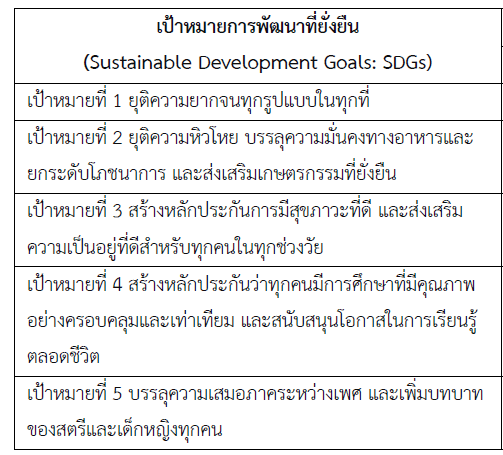
สอดคล้องกับ SDG 3 (เป้าหมายที่ 3 สร้างหลักประกันการมีสุขภาวะที่ดี และส่งเสริมความเป็นอยู่ที่ดีสาหรับทุกคนในทุกช่วงวัย)และ SDG 17 (เป้าหมายที่ 17 เสริมความเข้มแข็งให้แก่กลไกการดาเนินงานและฟื้นฟูสภาพหุ้นส่วนความร่วมมือระดับโลกสาหรับการพัฒนาที่ยั่งยืน) ข้อมูลเชิงประจักษ์แสดงให้เห็นว่า ไม่ว่าบริบทของโครงการจะเป็นด้านผู้สูงอายุ ความปลอดภัยทางถนน หรือสิ่งแวดล้อม ความสาเร็จล้วนเกิดจากการใช้กระบวนการมีส่วนร่วมของภาคีเครือข่าย (SDG 17) เป็นกลไกขับเคลื่อนหลัก ซึ่งนาไปสู่การบรรลุเป้าหมายด้านสุขภาวะ (SDG 3) เป็นผลลัพธ์พื้นฐาน และยังส่งผลทางอ้อมเชื่อมโยงไปยังเป้าหมายอื่นบทสรุปของการศึกษานี้ชี้ให้เห็นว่า การสร้างความยั่งยืนในการดาเนินงานขององค์กรปกครองส่วนท้องถิ่นในเครือข่ายร่วมสร้างชุมชนท้องถิ่นน่าอยู่จาเป็นต้องบูรณาการเรื่องสุขภาวะเข้ากับกระบวนการสร้างพันธมิตรเครือข่ายอย่างเป็นระบบร่วมกัน การให้ความสาคัญกับ SDG 3 และ SDG 17 จึงไม่ใช่เพียงทางเลือก แต่เป็นปัจจัยพื้นฐานที่จาเป็นสาหรับการยกระดับนวัตกรรมทางสังคมสู่ความยั่งยืนในบริบทท้องถิ่นไทย
This article is a component of a social innovation project aimed at establishing a knowledge repository for local community networks. The objective is to analyze the success factors and driving mechanisms for sustainable development within Local Administrative Organizations (LAOs) and local community networks. The study encompasses 55 target projects across the Northern, Central, Northeastern, and Southern regions of Thailand. The Sustainable Development Goals (SDGs) framework was utilized as the criteria for evaluating both direct and indirect impacts.
The findings reveal a "DNA of Sustainability" that serves as a common denominator across all areas: the alignment with Goal 3 (Good Health and Well-being) and Goal 17 (Partnerships for the Goals). Empirical data demonstrates that regardless of the project context—whether concerning the elderly, road safety, or the environment—success is consistently driven by the "Participatory Network Process" (SDG 17). This mechanism leads to the achievement of "Well-being" (SDG 3) as a fundamental outcome, while also creating indirect linkages to other goals, such as Reduced Inequalities (SDG 10) and Sustainable Cities and Communities (SDG 11).
The conclusion of this study indicates that establishing sustainability in the operations of LAOs and local community networks requires the inseparable integration of health issues with network-building processes. Prioritizing SDG 3 and SDG 17 is, therefore, not merely an option, but a fundamental prerequisite for elevating social innovation toward sustainability in the context of Thailand.