Simultaneous Stabilization of Heavy Metals and Organic Carbon in Sediment Using FeS-modified Hydrochar Derived from Waste Chitosan
Keywords:
Hydrochar , FeS, Sediment stabilization, Heavy metals , Organic matterAbstract
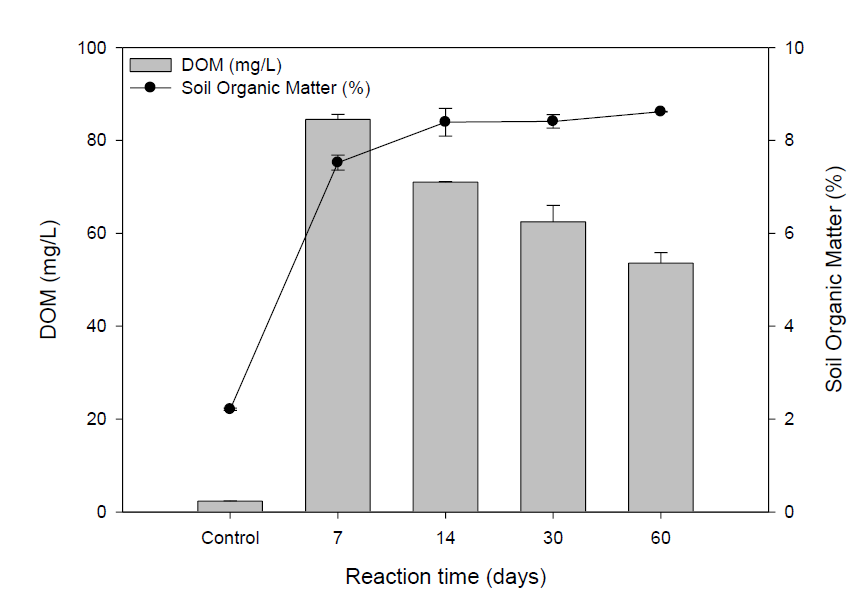
Sediment accumulating in lakes and reservoirs is subject to long-term accumulation of arsenic and heavy metals originating from geogenic and anthropogenic sources, posing potential risks to aquatic ecosystems and human health. Stabilization technologies that reduce contaminant mobility and bioavailability in sediment have accordingly been recognized as an essential research area, and recent studies have explored converting waste biomass into hydrochar via hydrothermal carbonization (HTC) and loading it with iron sulfide (FeS) to develop low-cost, environmentally friendly composite stabilizers. In this study, an FeS-modified hydrochar (CA-FeS) was synthesized from waste chitosan discarded after microalgae adsorption in water treatment processes, and its physicochemical properties were characterized by XRD, FT-IR, and SEM/EDS. XRD analysis confirmed diffraction peaks characteristic of pyrite (FeS2) and greigite (Fe3S4), indicating successful incorporation of FeS onto the hydrochar. CA-FeS was applied to As-contaminated sediment and to heavy-metal-contaminated soil at dosages of 2, 5, and 10 wt%. TCLP-leachable Cd, Cu, and Pb concentrations in the heavy-metal-contaminated soil decreased to near or below the detection limit under the 60-day, 10 wt% treatment condition, and TCLP-leachable As in the As-contaminated sediment decreased by approximately 65% relative to the control. Supernatant analysis indicated that this stabilization was driven by sulfide precipitation rather than pH reduction. In the heavy-metal-contaminated soil, the concentration of dissolved organic matter (DOM) released into the supernatant decreased with increasing reaction time (84.5 mg/L at day 7 to 53.6 mg/L at day 60 for the 10 wt% treatment), whereas organic matter content increased over the same period (7.5% to 8.6%), suggesting that released organic carbon was progressively re-adsorbed and stabilized onto the solid phase. These results demonstrate that CA-FeS is a promising sediment stabilization technology capable of addressing multiple contaminant types through the valorization of waste biomass.