Evaluation of Powder Activated Carbon for the Removal of Amine-Containing Organic Micropollutants
Keywords:
Hydrophilic organic micropollutants, Amine-containing compounds, Powdered activated carbon, Accidental release, Drinking water treatmentAbstract
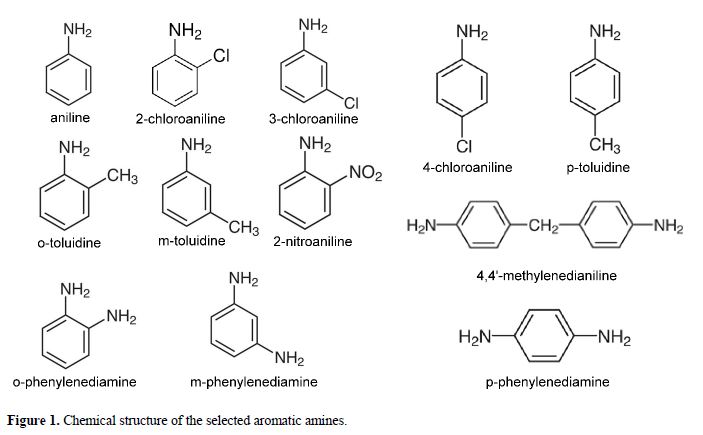
The accidental release of hydrophilic organic micropollutants (h-OMPs) into surface waters can pose a challenge to conventional drinking water treatment (CDWT) because of their generally poor removal by CDWT processes. Among h-OMPs, amine-containing compounds are of particular concern because their incomplete removal may contribute to the formation of disinfection by-products (DBPs). This study investigated the adsorption behavior of 23 amine-containing compounds using powdered activated carbon (PAC). The mean removal efficiencies varied substantially among the target compounds, ranging from 0 to 76.8%, indicating compound-specific adsorption behavior. The observed trends show that aromaticity, hydrophobic substituents, and molecular structure may play an important role in enhancing interactions with PAC, while hydrated and predominantly protonated amines exhibited limited adsorption under circumneutral conditions. The generated PAC adsorption data for a broad range of amine-containing h-OMPs may support the assessment of PAC treatment effectiveness during accidental release events involving such compounds.